

/cdn.vox-cdn.com/uploads/chorus_asset/file/24016885/STK093_Google_04.jpg)


/cdn.vox-cdn.com/uploads/chorus_asset/file/24808816/Starfield__The_Settled_Systems___Supra_Et_Ultra_____Starfield__The_Settled_Systems___Supra_Et_Ultra_2023_7_25_94252.263_1440p_streamshot.png)










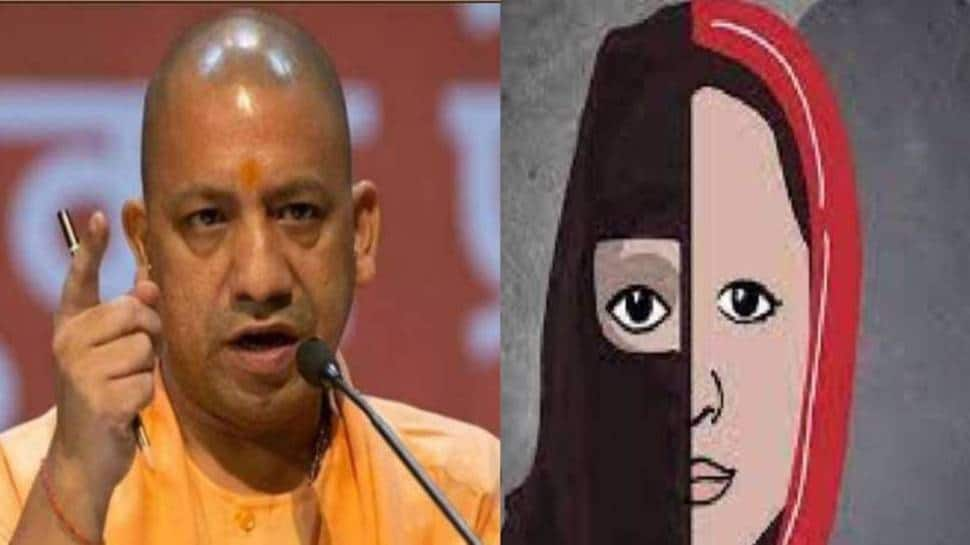

The Uttar Pradesh government led by Chief Minister Yogi Adityanath passed the Prohibition of Unlawful Conversion of Religions Ordinance, 2020, commonly known as the “Love Jihad Law”, was passed in November 2020. Here are the key details of the law:
Objective: The objective of the law is to prohibit illegal religious conversions through fraud, including conversions carried out for the purpose of marriage or through force, coercion or undue influence.
Definition of illegal conversion: The law defines illegal conversion as conversion from one religion to another through misrepresentation, force, undue influence, coercion, inducement or fraud. It specifically targets conversions that are done only for the purpose of marriage.
Permission required: Under the law, any person who wants to change his religion for the purpose of marriage must give a declaration to the District Magistrate at least 60 days in advance. The District Magistrate would then conduct an inquiry to ensure that the conversion was voluntary and not under any undue influence or coercion.
Punishment and fine: Violation of the law can lead to imprisonment of up to 10 years and a fine of up to Rs 50,000. The punishment may be more severe if the conversion involves a minor, a woman belonging to a Scheduled Caste or a Scheduled Tribe, or if it is a mass conversion.
Burden of proof: The burden of proof lies on the person who is accused of illegal conversion. They have to prove that the conversion was not done through force, coercion or fraud.
Controversy and criticism: The love jihad law has been highly controversial, with critics arguing that it violates individual rights, including the freedom to choose one’s partner and religion. There are concerns that the law may disproportionately target interfaith relationships and perpetuate social divisions.


