In the wake of the failed uprising in Russia, Chechen leader Ramzan Kadyrov is presenting himself as a warlord ready to go to war for Vladimir Putin.
But unlike the paramilitary Wagner Group, which Moscow now wants to eliminate, Chechen special forces have earned a reputation as “TikTok fighters” who are more concerned about their social media presence than battlefield successes .
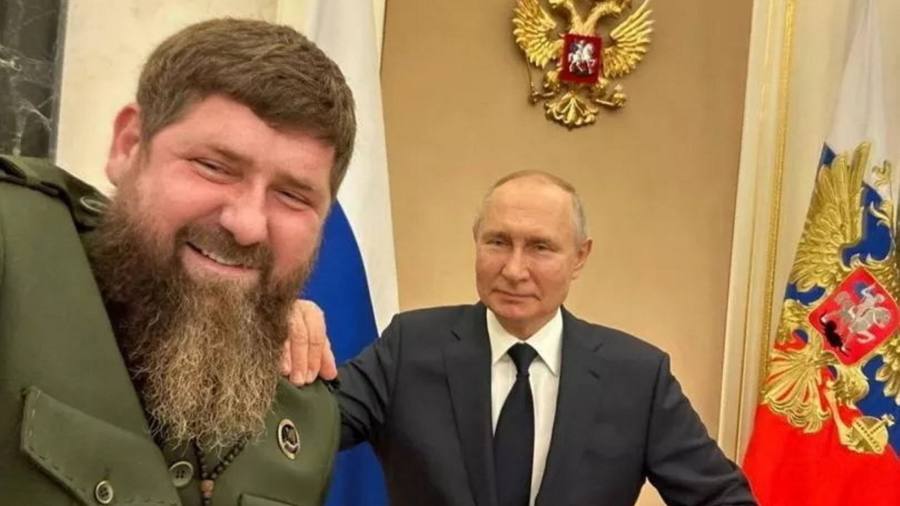
Kadyrov tried to emphasize his continued close ties with Putin by posting a selfie with the Russian president on his Telegram channel on Wednesday and bragging about their meeting the day before, following a rebellion by rival chieftain Yevgeny Prigozhin Is. Yet his personal military record has raised questions about whether Chechen fighters would be able to provide the same level of support to Russian forces as Wagner.
Hours after Prigozhin’s march on Moscow, the Kadyrov Battalion posted a video on Telegram of its troops dramatically patrolling a deserted bridge, dressed in head-to-toe camouflage and armed with machine guns.
“Whoever they are, whoever they are, we will bury these traitors to the Motherland and complete any task assigned to us,” said one of the Kadyrov fighters, showing a thumbs up at the camera.
However, there was a problem with the footage: it appears to have been filmed during Moscow sunset on a Saturday – when Prigozhin’s rebellion had already ended – and in Kostroma – a city where Wagner fighters never entered during the uprising. Didn’t come close.
Kadyrov has ruled the restive republic of Chechnya since 2007 and his fighters are already active in Ukraine. Since joining the fight there in February 2022, Kadyrov, an early Instagram adopter, and his fellow combatants have been prolific in their music video-style social media postings, parading around in military garb. There are montages of fighters – often with little indication of any firepower.
The actual military successes of the fighters have been very few.
“Chechen forces present an image that they are very strong, parading very dangerously with their kit and equipment,” said Alex Kokcharov, a risk analyst focusing on Russia. “On the battlefield in Ukraine, we have not seen Chechen forces making any significant impact, especially on the front line.”
Chechen forces, he said, were clearly present in parts of Ukraine that were already under Russian control. In contrast, Prigozhin’s Wagner fighters had made few real military gains during their time on the ground, for example aiding in the Russian capture of the town of Bakhmut, he said.

It was not always this way. When Russia launched its full-scale war in Ukraine in February 2022, Kadyrov sent several Chechen military units to the front lines, where they were expected to play a key role in Moscow’s ultimately failed plan to capture Kiev.
However, units suffered heavy losses soon after the war began, prompting Kadyrov to reconsider his army’s involvement, said Emil Aslan, a Caucasus expert and security studies professor at Charles University in Prague.
“He understood that he was going to lose a lot of his people. And he can’t afford it,” Aslan said, adding that Kadyrov relied on his veteran fighters to maintain his political prestige at home.
“To survive, Kadyrov needs two things: Putin’s support and the firmness of his personal army. Since then, he has been maneuvering between showing that he is deploying forces that he is going to sacrifice for the sake of national leader Vladimir Putin. , , And, on the other hand, are trying to save the lives of the most experienced Kadyrovtsy,” Aslan said, referring to the elite fighters who make up Kadyrov’s personal army.
The stout and bearded leader has held on to power in Chechnya, largely thanks to his close political alliance with Putin, who has given the region rich federal funds and helped Kadyrov maintain his long-term rule .
This relationship has also allowed Kadyrov to create his own private army of mercenaries, who have been accused of war atrocities in Ukraine, as well as the torture and murder of Kadyrov’s domestic opponents and critics.
In his relationship with Putin, Kadyrov was peerless – until the emergence of Prigozhin and his own competing private mercenary army. While Kadyrov sided with Prigozhin in some of his criticisms of Russia’s top military officials, the two also feuded on social media, repeatedly jabbing at each other.
On Saturday, as Prigozhin’s mutiny unfolded, Kadyrov resorted to telegrams to denounce the Wagner leader, accusing Prigozhin of “a despicable betrayal”.
Kadyrov said, “I have repeatedly warned that war is no time to express personal grievances.” “We have a Supreme Commander-in-Chief elected by the people, who knows the whole situation better than any strategist.”
Apti Alaudinov, commander of Kadyrov’s Akhmat Battalion, said that his fighters had been deployed to Rostov to quell the uprising and had come within 500 to 700 meters of Wagner’s fighters.
Alaudinov said that many Chechen fighters had not traveled to Rostov because they were “responsible” for the capture of the front line in Ukraine. He claimed that the Russian Defense Ministry had specifically requested Chechen forces “not to engage in any war as everything was expected to be resolved peacefully”.
However, some military analysts are skeptical. Samuel Bendet, assistant senior fellow at the Center for a New American Security, said, “It appears that (Kadyrov’s forces) were just biding their time to see what happens next.”
“Last weekend nobody really wanted to step in front of Prigozhin’s army, except for the few planes and helicopters that were shot down.”

In the wake of the failed uprising in Russia, Chechen leader Ramzan Kadyrov is presenting himself as a warlord ready to go to war for Vladimir Putin.
But unlike the paramilitary Wagner Group, which Moscow now wants to eliminate, Chechen special forces have earned a reputation as “TikTok fighters” who are more concerned about their social media presence than battlefield successes .
Kadyrov tried to emphasize his continued close ties with Putin by posting a selfie with the Russian president on his Telegram channel on Wednesday and bragging about their meeting the day before, following a rebellion by rival chieftain Yevgeny Prigozhin Is. Yet his personal military record has raised questions about whether Chechen fighters would be able to provide the same level of support to Russian forces as Wagner.
Hours after Prigozhin’s march on Moscow, the Kadyrov Battalion posted a video on Telegram of its troops dramatically patrolling a deserted bridge, dressed in head-to-toe camouflage and armed with machine guns.
“Whoever they are, whoever they are, we will bury these traitors to the Motherland and complete any task assigned to us,” said one of the Kadyrov fighters, showing a thumbs up at the camera.
However, there was a problem with the footage: it appears to have been filmed during Moscow sunset on a Saturday – when Prigozhin’s rebellion had already ended – and in Kostroma – a city where Wagner fighters never entered during the uprising. Didn’t come close.
Kadyrov has ruled the restive republic of Chechnya since 2007 and his fighters are already active in Ukraine. Since joining the fight there in February 2022, Kadyrov, an early Instagram adopter, and his fellow combatants have been prolific in their music video-style social media postings, parading around in military garb. There are montages of fighters – often with little indication of any firepower.
The actual military successes of the fighters have been very few.
“Chechen forces present an image that they are very strong, parading very dangerously with their kit and equipment,” said Alex Kokcharov, a risk analyst focusing on Russia. “On the battlefield in Ukraine, we have not seen Chechen forces making any significant impact, especially on the front line.”
Chechen forces, he said, were clearly present in parts of Ukraine that were already under Russian control. In contrast, Prigozhin’s Wagner fighters had made few real military gains during their time on the ground, for example aiding in the Russian capture of the town of Bakhmut, he said.
It was not always this way. When Russia launched its full-scale war in Ukraine in February 2022, Kadyrov sent several Chechen military units to the front lines, where they were expected to play a key role in Moscow’s ultimately failed plan to capture Kiev.
However, units suffered heavy losses soon after the war began, prompting Kadyrov to reconsider his army’s involvement, said Emil Aslan, a Caucasus expert and security studies professor at Charles University in Prague.
“He understood that he was going to lose a lot of his people. And he can’t afford it,” Aslan said, adding that Kadyrov relied on his veteran fighters to maintain his political prestige at home.
“To survive, Kadyrov needs two things: Putin’s support and the firmness of his personal army. Since then, he has been maneuvering between showing that he is deploying forces that he is going to sacrifice for the sake of national leader Vladimir Putin. , , And, on the other hand, are trying to save the lives of the most experienced Kadyrovtsy,” Aslan said, referring to the elite fighters who make up Kadyrov’s personal army.
The stout and bearded leader has held on to power in Chechnya, largely thanks to his close political alliance with Putin, who has given the region rich federal funds and helped Kadyrov maintain his long-term rule .
This relationship has also allowed Kadyrov to create his own private army of mercenaries, who have been accused of war atrocities in Ukraine, as well as the torture and murder of Kadyrov’s domestic opponents and critics.
In his relationship with Putin, Kadyrov was peerless – until the emergence of Prigozhin and his own competing private mercenary army. While Kadyrov sided with Prigozhin in some of his criticisms of Russia’s top military officials, the two also feuded on social media, repeatedly jabbing at each other.
On Saturday, as Prigozhin’s mutiny unfolded, Kadyrov resorted to telegrams to denounce the Wagner leader, accusing Prigozhin of “a despicable betrayal”.
Kadyrov said, “I have repeatedly warned that war is no time to express personal grievances.” “We have a Supreme Commander-in-Chief elected by the people, who knows the whole situation better than any strategist.”
Apti Alaudinov, commander of Kadyrov’s Akhmat Battalion, said that his fighters had been deployed to Rostov to quell the uprising and had come within 500 to 700 meters of Wagner’s fighters.
Alaudinov said that many Chechen fighters had not traveled to Rostov because they were “responsible” for the capture of the front line in Ukraine. He claimed that the Russian Defense Ministry had specifically requested Chechen forces “not to engage in any war as everything was expected to be resolved peacefully”.
However, some military analysts are skeptical. Samuel Bendet, assistant senior fellow at the Center for a New American Security, said, “It appears that (Kadyrov’s forces) were just biding their time to see what happens next.”
“Last weekend nobody really wanted to step in front of Prigozhin’s army, except for the few planes and helicopters that were shot down.”