/cdn.vox-cdn.com/uploads/chorus_asset/file/24016885/STK093_Google_04.jpg)


/cdn.vox-cdn.com/uploads/chorus_asset/file/24808816/Starfield__The_Settled_Systems___Supra_Et_Ultra_____Starfield__The_Settled_Systems___Supra_Et_Ultra_2023_7_25_94252.263_1440p_streamshot.png)










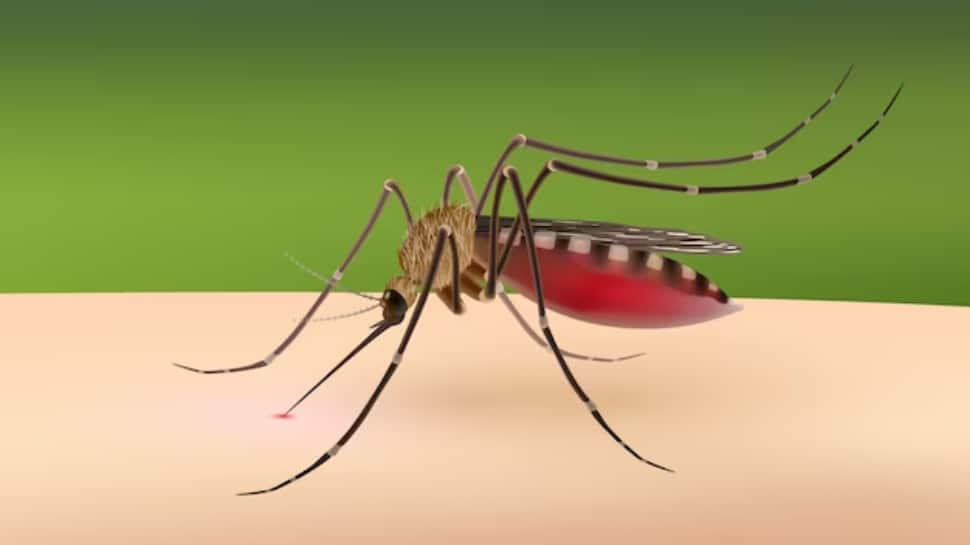

Dengue fever cases in India are increasing in recent times. It should come as no surprise that the monsoon season sees a rise in waterborne and mosquito-borne diseases, including dengue fever, malaria and other fungal infections. And in situations like this it is important to raise the level of our security. Mosquito bites can cause infectious diseases like dengue.
Dengue cases have already increased in several regions of India including Odisha, Assam and Kerala. Health professionals have issued warnings and recommendations on how to prevent the mosquito-borne disease in response to this alarming development.
Dengue cases on the rise in India: WHO issues advisory
cre trending stories
According to the World Health Organization (WHO), dengue is a viral infection caused by dengue virus (DENV), which is transmitted to humans through the bite of infected mosquitoes. An estimated 100–400 million dengue infections occur each year, putting almost half of the world’s population at risk.
The most characteristic symptoms are high temperature, headache, physical pain, nausea and rash. Most people will also recover in 1 to 2 weeks. Some dengue patients become seriously ill and require hospital care.
Dr Om Prakash Jhakar of Indira Gandhi Hospital (Delhi government) told IANS that people who were playing in the water should take it seriously as the situation could turn dire in the coming days.
“Malaria and cholera are common nowadays. Water can also cause skin problems. People should understand the seriousness of the situation,” Jhakar said.
Hence, it is important to take proper precautions to protect yourself from this potentially fatal disease.
Preventive measures to prevent dengue fever
Here are five tips to help you stay safe this rainy season:
use mosquito repellents
Use insect repellent to keep mosquitoes away from you and your family. It is important to remember that babies younger than two months should never be exposed to these repellents.
wear protective clothing
When you’re outside during times when mosquito activity is at its highest (such as dawn and dusk), wear clothing that covers your arms and legs. The best defense against mosquito bites is long-sleeved clothing and long skirts or pants.
practice good hygiene
Maintain a clean area where water does not stagnate and mosquitoes can breed. Make sure litter boxes are emptied regularly, and water bowls or pet utensils are cleaned regularly as well.
seek professional help if necessary
If you think you or a family member has dengue, seek medical care as soon as possible. Early detection and treatment can ease symptoms and prevent later problems or, in more severe cases, even death.
increase fluid intake
It is always recommended to increase fluid intake to keep the body hydrated, balance electrolytes and flush out as many toxins as possible. The following beverages support platelet count, electrolyte balance, and physiological hydration.
In addition to incorporating these tips into your everyday routine, focus on boosting your nutrition with nutritious foods and drinks. Getting enough rest is also important for a faster recovery.
However, it is not a substitute for medical advice; It is always safe and better to consult a doctor if you feel ill or have symptoms of dengue or other mosquito-borne diseases.
(This article is for informational purposes only and should not be considered a substitute for advice provided by qualified medical professionals.)