

/cdn.vox-cdn.com/uploads/chorus_asset/file/24016885/STK093_Google_04.jpg)


/cdn.vox-cdn.com/uploads/chorus_asset/file/24808816/Starfield__The_Settled_Systems___Supra_Et_Ultra_____Starfield__The_Settled_Systems___Supra_Et_Ultra_2023_7_25_94252.263_1440p_streamshot.png)










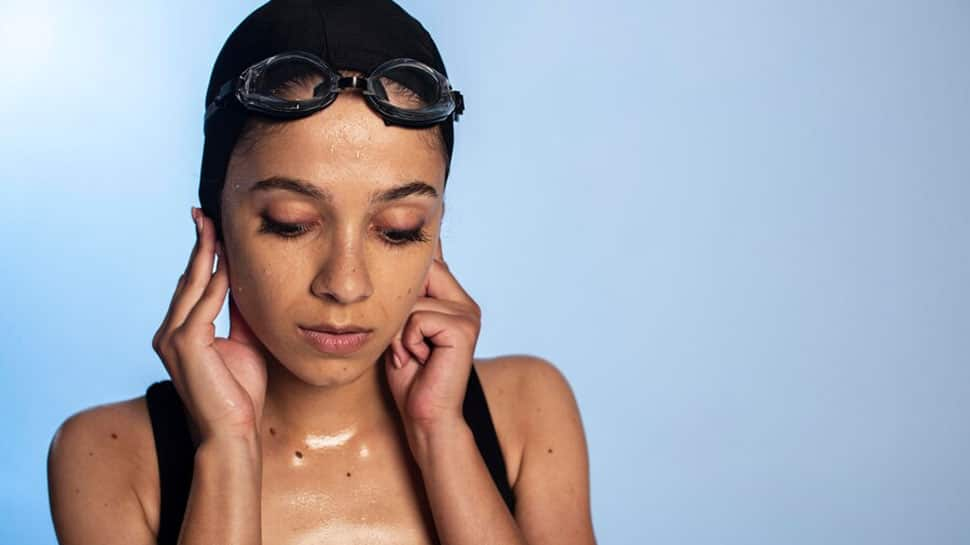

Swimming is a popular activity enjoyed by people of all ages and it offers many health benefits. However, swimmers are often susceptible to ear infections due to their frequent exposure to water. These infections, known as swimmer’s ear or otitis externa, can cause discomfort, pain and even temporary hearing loss if left untreated. To help swimmers maintain optimal ear health and prevent infections, doctors recommend expert tips and practices to follow. Dr. Sanjay Kumar, MBBS, DLO, DNB, Apollo Spectra Hospital, Bangalore shares tips for swimmers to avoid ear infections:
Choosing the right ear protection: Doctors strongly recommend swimmers to use ear protection, such as earplugs or swim caps, to prevent water from entering the ear canal. Earplugs specially designed for swimmers are readily available and help reduce the risk of infection by keeping the ear dry. It is essential to choose ear protection that fits comfortably and securely and ensures a proper seal.
Dry the ears thoroughly: After swimming, it is important to dry the ears thoroughly to prevent moisture from building up, which can lead to bacterial or fungal growth. Experts recommend gently tilting the head to either side, allowing excess water to drain out. Using a clean, dry towel, carefully dry the outer ear and surrounding area. Additionally, using a hairdryer on a slow, cool setting can help evaporate any remaining moisture.
cre trending stories
Avoiding excessive ear cleaning: Although it is important to maintain ear hygiene, excessive cleaning can disrupt the natural protective barrier of the ear canal, increasing the risk of infection. Doctors recommend against inserting cotton swabs or any other object into the ear canal, as this can push the earwax deeper, potentially causing a blockage or irritation. Instead, regular bathing and cleaning the outer ear with a soft, damp cloth is sufficient.
Seeking Medical Advice: If a swimmer experiences persistent discomfort, pain or loss of hearing, it is important to seek medical advice immediately. Doctors are specially trained to diagnose and treat ear infections, and they can provide the most appropriate course of action. Prompt medical care can prevent complications and ensure a speedy recovery.
Preventive ear drops: To further reduce the risk of ear infections, a doctor may recommend using preventive ear drops specially formulated for swimmers. These drops usually contain a mixture of acetic acid and alcohol, which helps maintain the proper pH balance in the ear and prevent bacterial or fungal growth. It is important to consult a doctor or ENT specialist before using any ear drops to ensure proper use and avoid potential adverse effects.
Taking breaks and getting proper rest: It is important for swimmers to allow enough time for the ears to rest and recover. Frequent exposure to water can put pressure on the delicate structures of the ear, making them more susceptible to infection. Taking regular breaks from swimming, especially if there are symptoms of discomfort, can help prevent overexposure and give the ears the time they need to heal.
conclusion,
Ear infections can be a major concern for swimmers, but the risk can be minimized by following expert advice and taking necessary precautions. Choosing the right ear protection, drying the ears thoroughly, avoiding excessive cleaning, seeking medical advice when needed, using preventive ear drops, and taking rest breaks are all ways to ensure optimal ear health. Necessary exercises. By incorporating these measures into their routine, swimmers can enjoy their favorite activity while protecting their ears from infection and maintaining overall health.


