/cdn.vox-cdn.com/uploads/chorus_asset/file/24016885/STK093_Google_04.jpg)


/cdn.vox-cdn.com/uploads/chorus_asset/file/24808816/Starfield__The_Settled_Systems___Supra_Et_Ultra_____Starfield__The_Settled_Systems___Supra_Et_Ultra_2023_7_25_94252.263_1440p_streamshot.png)










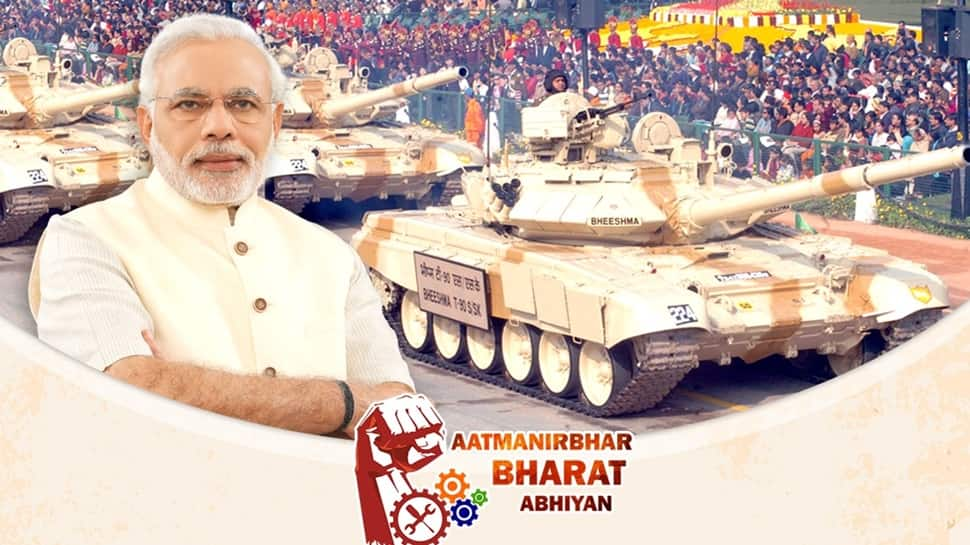

Make in India stands as a major initiative under the leadership of Prime Minister Narendra Modi, symbolizing his government’s commitment to promoting economic growth. As is the case with any significant endeavour, Make in India has faced ongoing scrutiny from rival political parties. The manufacturing sector serves as an important pillar within any economy, not only generating employment opportunities but also empowering a nation to achieve self-sufficiency. Despite India’s notable success in exporting various items, defense products have not been a major focus of these efforts. This can be gauged from the fact that in 2014-15, the first year of the Modi government, India’s total defense exports were just Rs 1,940.64 crore. In September 2014, the Modi government came up with the Make in India scheme. Thereafter the focus shifted from importing defense products to manufacturing them indigenously. The government also gave prominence to the provision of transfer of technology in defense agreements and all these steps worked wonders.
To boost defense exports, the Modi government has implemented several policy initiatives and introduced reforms in the last nine years. Export procedures have been streamlined and made more industry-friendly with the introduction of end-to-end online export authorization. This has significantly reduced delays and increased ease of doing business in the region. The government has also issued three Open General Export Licenses (OGELs) for export of parts and components, transfer of technology and major platforms and equipment. OGEL is a one-time export license that allows industry to export specified commodities to specified destinations specified in the license without the need to obtain additional export authorization during the validity period of the OGEL.
In April this year, the Ministry of Defense achieved an unprecedented milestone in defense exports. Thanks to the determined policy initiatives of the government and the remarkable efforts of the defense industry, India is set to witness a record breaking defense export figure of around Rs 16,000 crore in FY 2022-23, over Rs 3,000 crore in the previous year’s total. This remarkable achievement marks an increase of more than ten times from 2016-17.
India has emerged as a major exporter to more than 85 countries, showcasing its strength in design and development on a global platform. Currently, around 100 Indian companies are actively involved in the export of defense products. Growing defense exports serve as compelling evidence of India’s growing defense manufacturing capabilities. These achievements are in existence because of the visionary mindset of Prime Minister Narendra Modi, who placed significant importance on nurturing this thriving industry. In his own words, the achievement in defense exports represents a “clear expression of India’s genius and enthusiasm for Make in India”. PM Modi has outlined his vision of turning India into a hub of defense production. Defense Minister Rajnath Singh has termed the record defense exports as a remarkable achievement of the country while crediting the leadership of Prime Minister Narendra Modi for this historic milestone.
In the last nine years, India has gone through a remarkable transformation from a defense importer to an exporter. At present, India has a wide range of major platforms including Dornier-228, 155mm Advanced Towed Artillery Gun (ATAG), BrahMos Missile, Akash Missile System, Radar, Simulator, Mine Protected Vehicle, Armored Vehicle, Pinaka Rocket and Launcher, Ammunition Exports series. , thermal imagers, body armors, as well as systems, line replaceable units, and avionics and parts and components for small arms. The global demand for Indian made products like LCA-Tejas, Light Combat Helicopter, Aircraft Carrier and MRO activities is increasing steadily. This reflects the growing recognition and acceptance of India’s capabilities in the global defense market.
To enhance defense manufacturing, the Defense Research and Development Organization (DRDO) regularly transfers its newly developed technologies to industries at no cost. In addition, industries have been provided free access to DRDO patents. DRDO is actively engaged with industries through specific technology demonstrations, which not only enable industries to obtain valuable user inputs for product improvement but also enable them to self-test and evaluate their products under real field conditions. also allows. In addition, testing facilities at MoD establishments have been opened to industries, providing them opportunities to test their products. These initiatives promote collaboration between DRDO and industries, facilitate advancement in defense technology and product development.
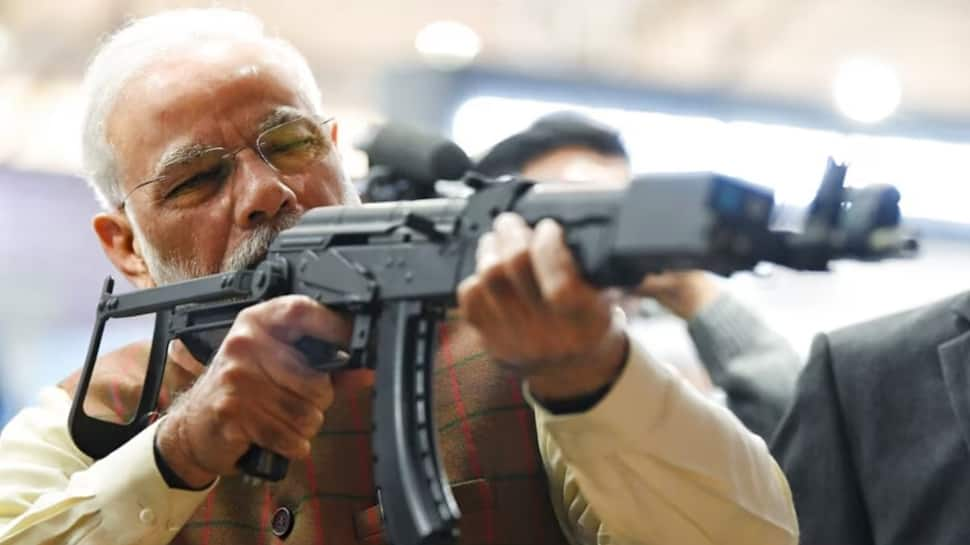
Government has set up iDEX (Innovation for Defense Excellence) to promote innovation and technology development in defense by engaging industries including MSMEs, start-ups, individual innovators, R&D institutions and academia. iDEX provides grants/funds and other support for innovation/research and development. This has helped many domestic startups to bag government contracts for manufacturing. An online portal has been developed for obtaining and processing export authorization permission. The applications submitted on this portal are digitally signed and the authorization is also issued digitally at a faster pace. Further, to enhance functional autonomy and efficiency and unleash new growth potential and innovation in Ordnance Factories, the Government has converted 41 Ordnance Factories into seven Defense Public Sector Units (DPSUs), 100% Government-owned corporate entity(ies). Is done. This has further streamlined their functioning.
India’s path to the future must include manufacturing and exporting state-of-the-art fighter jets, top-tier missile defense systems and advanced aircraft carriers. While these goals may require time and effort, they are certainly attainable and within reach for India. With the right focus, dedication and strategic planning, India has the potential to establish itself as a global player in these sectors. This decade belongs not only to India, but also to the visionary leadership of Prime Minister Narendra Modi, who holds the necessary competence to lead the country towards its futuristic goals in a strategic and organized manner. There is an English proverb – where there is a will, there is a way.
India stands tall not only for its progress, but also with the determination and ability to guide the world towards the path of inclusive development with the motto of ‘Sabka Saath, Sabka Vikas’ (Together, Everyone’s Development). , The world is eagerly awaiting the leadership of India as it has the potential to become the next global superpower.