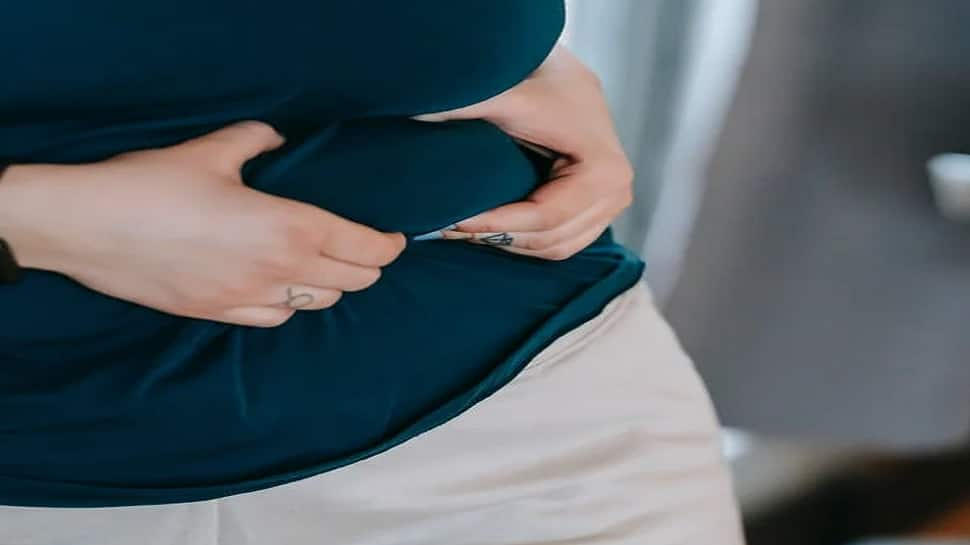

As the joyous celebration of Bakrid comes to an end, many find themselves facing the consequences of indulging in delicious feasts and culinary delights. While celebrating with family and friends is an essential part of this auspicious occasion, it is not uncommon to experience anxiety about gaining weight as a result. Don’t worry though! Here are some effective strategies to lose weight and adopt a healthier lifestyle after the feast of Bakrid.
By adopting mindful eating habits, staying hydrated, engaging in regular physical activity, planning meals, and seeking support, you can successfully lose holiday weight gain.
If you are looking to lose weight after feasts like Bakrid, here are some tips that will help you get back on track:
set realistic goals
Start by setting achievable weight loss goals. Aim for a gradual and sustainable weight loss of 1-2 pounds per week.
create a calorie deficit
To lose weight, you must consume fewer calories than you burn. Calculate your daily calorie requirements and create a calorie deficit by reducing your calorie intake. Focus on consuming nutrient-dense, low-calorie foods, such as fruits, vegetables, lean proteins and whole grains.
Also Read: Healthy Weight Gain: 7 Ways To Gain Weight In A Healthy Way
portion control
Be mindful of your portion sizes. Use smaller plates and bowls to visually control your portions. Avoid going back for a few seconds and listen to your body’s fullness signals.
hydration
Drink plenty of water throughout the day. Water helps keep you hydrated, aids digestion and can help control your appetite. Replace sweetened drinks and sodas with water or herbal teas.
increase physical activity
Incorporate regular exercise into your routine. Engage in activities you enjoy, such as brisk walking, jogging, bicycling, swimming or dancing. Aim for at least 150 minutes of moderate-intensity aerobic activity per week.
strength training
Incorporate strength training exercises into your routine. Building lean muscle can increase your metabolism and help you burn more calories. Use resistance bands, free weights or bodyweight exercises to target different muscle groups.
mindful eating
Pay attention to your diet. Eat slowly, savoring each bite and listening to your body’s hunger and fullness signals. Avoid distractions like TV or smartphone while eating, as this can lead to overeating.
choose healthier options
Choose healthier cooking methods such as grilling, baking, steaming or roasting instead of frying. Replace high-calorie, processed foods with whole, unprocessed alternatives. Include more fruits, vegetables, whole grains and lean proteins in your diet.
monitor your progress
Keep track of your diet and exercise routine. This can help keep you accountable and identify areas where you can improve. There are many apps and tools available that can help you track your progress.
be persistent and patient
Losing weight takes time and effort. Stick to your healthy habits and be patient in the process. Avoid crash diets or extreme measures as these can be harmful to your health.
(This article is for informational purposes only and should not be considered a substitute for advice provided by qualified medical professionals.)