















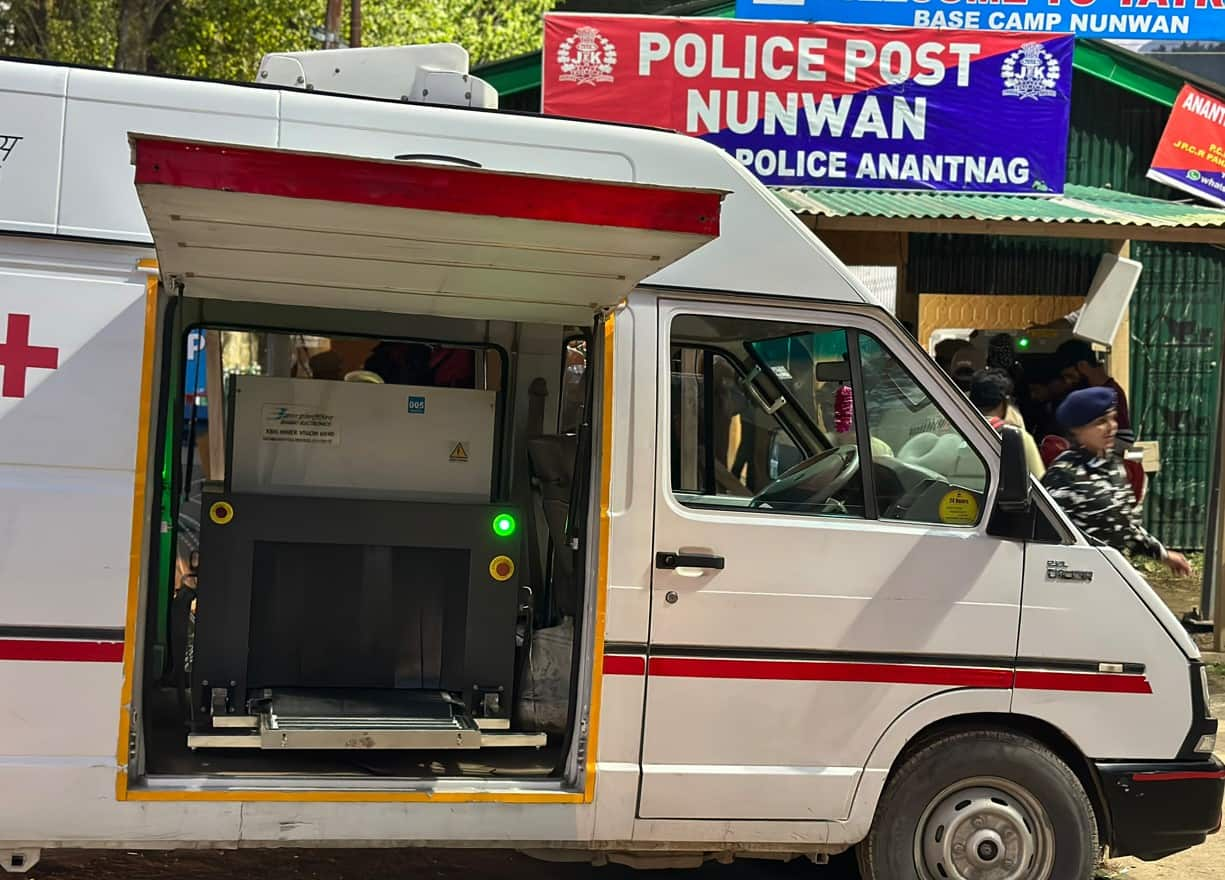

Srinagar, Jammu and Kashmir – In an effort to enhance security measures for the annual Amarnath Yatra pilgrimage, the Indian Army has announced the implementation of an advanced three-tier security system. Brigadier Amandeep Mahali of the Indian Army highlighted the critical role of technology in the advanced security scenario involving quadcopters, night vision devices (NVDs), anti-drone teams and bomb squads.
Brigadier Mahali stressed on the multi-layered security arrangements involving the Indian Army, Jammu and Kashmir Police and Central Armed Police Forces, which have been put in place along the entire yatra route including communication lines. “As far as security is concerned, we have a multi-layered security arrangement involving Indian Army, Jammu and Kashmir Police and Central Armed Police Forces on the yatra route including communication lines,” he said.
To ensure round the clock surveillance, an integrated surveillance plan has been implemented with deployment of aerial surveillance assets and night vision equipment. The use of quadcopters and anti-drone teams shows the adoption of advanced technology to deal with potential threats. The security architecture has been designed to minimize inconvenience to local residents, while being sensitive to the aspirations of the local Kashmiri population.
cre trending stories
Learning from past incidents, special focus has been laid on humanitarian assistance disaster relief plans. Brigadier Mahli said, “Humanitarian assistance has been given special attention to disaster relief plans, taking lessons from last year’s cloudburst.” Casualty evacuation helipads and deployment of medical teams along the entire route ensure prompt medical assistance in case of emergency.
In addition, the Army has conducted mock exercises on humanitarian assistance and disaster relief and security in collaboration with stakeholders such as the National Disaster Management Authority. This proactive approach demonstrates their preparedness to handle any contingency promptly and efficiently.
To deal with potential hazards in avalanche-prone areas, the Army has deployed special avalanche and mountain rescue teams at key locations, which are under constant watch. In addition, resources have been allocated for improving accommodation facilities for passengers at Panchtarni and Nunwan.
Brigadier Mahali expressed the Army’s commitment to synergistic preparations for the Yatra in collaboration with various stakeholders including Shri Amarnathji Shrine Board, civil administration, Jammu and Kashmir Police and Central Armed Police Forces. He also acknowledged the important role played by the Border Roads Organization in clearing the southern route, where the snow level had reached 12 to 14 feet at some places.
With the commencement of the 62-day Shri Amarnath Ji Yatra, Brig Mahali warmly welcomed all the pilgrims and assured them of highest level of security during their journey.


