/cdn.vox-cdn.com/uploads/chorus_asset/file/24016885/STK093_Google_04.jpg)


/cdn.vox-cdn.com/uploads/chorus_asset/file/24808816/Starfield__The_Settled_Systems___Supra_Et_Ultra_____Starfield__The_Settled_Systems___Supra_Et_Ultra_2023_7_25_94252.263_1440p_streamshot.png)










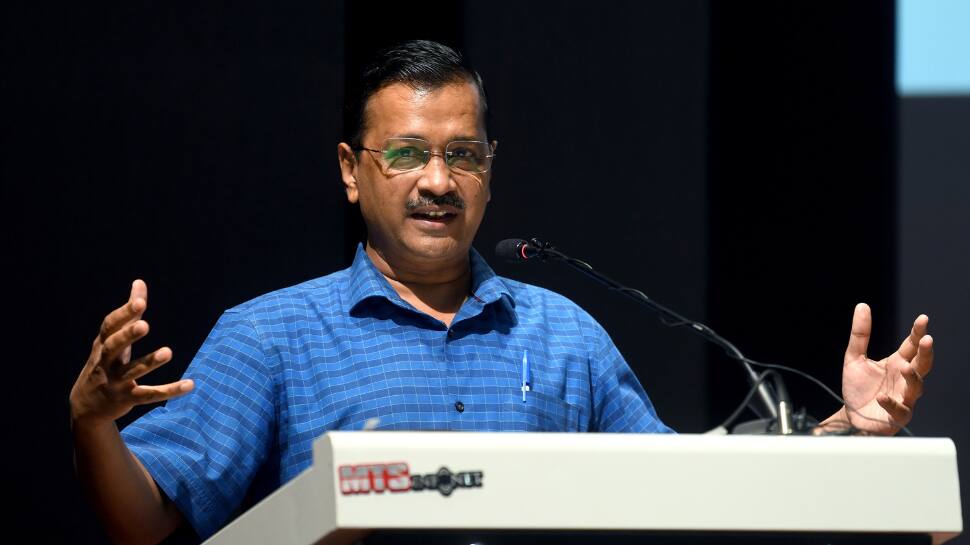

New Delhi: Chief Minister Arvind Kejriwal has said that Delhi’s water crisis will be solved within the next two-three years, as the government is taking steps to increase the water supply capacity to 300 million gallons per day (MGD). According to official estimates, around two crore residents of the capital require around 1,300 MGD of water for drinking and daily needs. But the Delhi Jal Board can only supply around 1,000 MGD, leaving many areas water-starved.
Kejriwal said the DJB’s water supply capacity has increased from 850 MGD in 2015 to 1,000 MGD now and has set an ambitious target of increasing it to the range of 1,200-1,300 MGD within two to three years. He said that once this target is achieved, Delhiites will not have to face water shortage.
To accomplish this, the government is planning to set up tube-wells in areas with high water-tables, allowing large-scale extraction of water. Additionally, an innovative approach will be adopted to recharge groundwater by rejuvenating lakes with treated sewage treatment plant (STP) water, the chief minister said.
ALSO READ: Delhi’s renovated Timarpur lake to open soon, with open-air theatre, food cafe, butterfly park and more
He said the recharged water would be further treated in reverse osmosis (RO) plants before supplying it to homes. To ensure the highest standards of sewage treatment, all STPs in Delhi are currently undergoing extensive upgradation, aimed at reducing pollution and promoting responsible water resource management, the CM said.
The government is also planning to increase the use of treated wastewater in horticulture, street cleaning and construction sites to save drinking water in water-scarce areas. Currently, Delhi’s sewage treatment plants discharge 514 MGD of treated wastewater, of which 267 MGD is returned to the Yamuna River for downstream use and 90 MGD is used for horticulture purposes.
ALSO READ: Delhi nightlife: CM Arvind Kejriwal nod for 155 shops to operate 24X7, file sent to LG
Delhi gets 675 MGD water from Haiyana through two canals and Yamuna and 253 MGD water from Uttar Pradesh through Upper Ganga Canal. The rest is drawn from tubewells and tubewells installed across the city. DJB operates nine water treatment plants, 16 runi wells and around 4,700 tube wells. In areas with water scarcity, the DJB provides water through 1,200 tankers.