

/cdn.vox-cdn.com/uploads/chorus_asset/file/24016885/STK093_Google_04.jpg)


/cdn.vox-cdn.com/uploads/chorus_asset/file/24808816/Starfield__The_Settled_Systems___Supra_Et_Ultra_____Starfield__The_Settled_Systems___Supra_Et_Ultra_2023_7_25_94252.263_1440p_streamshot.png)










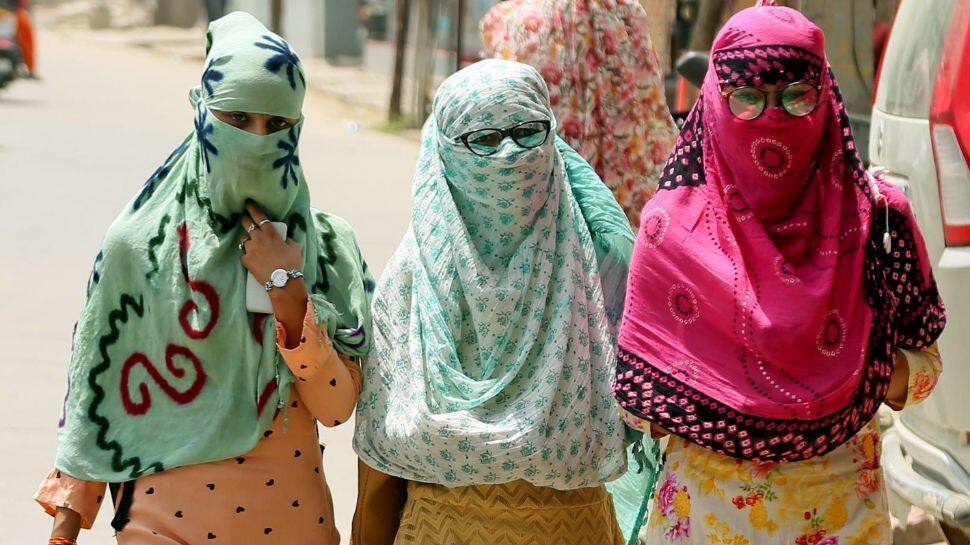

New Delhi: Heatwave conditions are likely to continue in the national capital, which has been reeling under scorching heat for the past few days, with the maximum temperature expected to hover around 43 degrees Celsius on Tuesday. Delhi on Tuesday morning recorded a minimum temperature of 29.8 degrees Celsius, three notches above normal, while the relative humidity stood at 38 per cent at 8.30 am. The India Meteorological Department (IMD) has also forecast a generally cloudy sky with light rain or drizzle later in the day.
The mercury crossed the 46-degree mark in some parts of the city on Monday, prompting power demand to hit 6,532 MW, the highest so far this season. Officials said the city recorded a peak power demand of 7,695 MW last summer and could reach 8,100 MW this year.
Delhi’s primary weather station, the Safdarjung Observatory, recorded a maximum temperature of 43.7 degrees Celsius, four notches above normal and the highest so far this year. The mercury soared to 46.2 degrees Celsius in Najafgarh, making it the hottest place in the national capital. Heatwave conditions were also recorded at Narela (45.3°C), Pitampura (45.8°C) and Pusa (45.8°C).
According to the IMD, similar conditions are likely to prevail before bringing some respite from rains from Wednesday. Rain, hailstorm and gusty winds are expected over the northwestern plains starting Wednesday as a western disturbance is active over the western Himalayan region and as a result the maximum temperature is expected to drop to 36 degrees Celsius by Thursday, the Met department said. .
Heatwaves becoming more frequent, severe
Heat waves in India are becoming more frequent and severe due to climate change, with more than 90 per cent of the country in the ‘extremely alert’ category or ‘danger zone’ of their impacts, according to a recent study by the University of Cambridge . The study showed that Delhi is particularly vulnerable to severe heatwave impacts, despite the state’s recent action plan for climate change failing to reflect this fact.
April’s record-breaking heatwave in Bangladesh, India, Laos and Thailand was at least 30 times more likely to be caused by human-caused climate change, according to an analysis by a group of leading climate scientists.
Delhi experienced a prolonged cloudy period from 21 April to 7 May with scattered rain, which is a rarity during this time of the year. Officials attributed this to back-to-back western disturbances and weather systems that originate in the Mediterranean region and bring unseasonal rains to northwest India.
According to IMD data, the Safdarjung observatory recorded over 60 mm of rainfall in May, while the capital recorded an average of 19.7 mm for the entire month. The city also recorded over 20 mm of rainfall in April, the highest for the month since 2017.
This year, India experienced the warmest February since record-keeping began in 1901. However, above normal rainfall in March kept the temperature in check. Last year’s March was the hottest ever and the third driest in 121 years. According to IMD data, India witnessed a 24 per cent increase in the number of heatwaves during 2010-2019 as compared to 2000-2009.
(with inputs from agencies)


