

/cdn.vox-cdn.com/uploads/chorus_asset/file/24016885/STK093_Google_04.jpg)


/cdn.vox-cdn.com/uploads/chorus_asset/file/24808816/Starfield__The_Settled_Systems___Supra_Et_Ultra_____Starfield__The_Settled_Systems___Supra_Et_Ultra_2023_7_25_94252.263_1440p_streamshot.png)










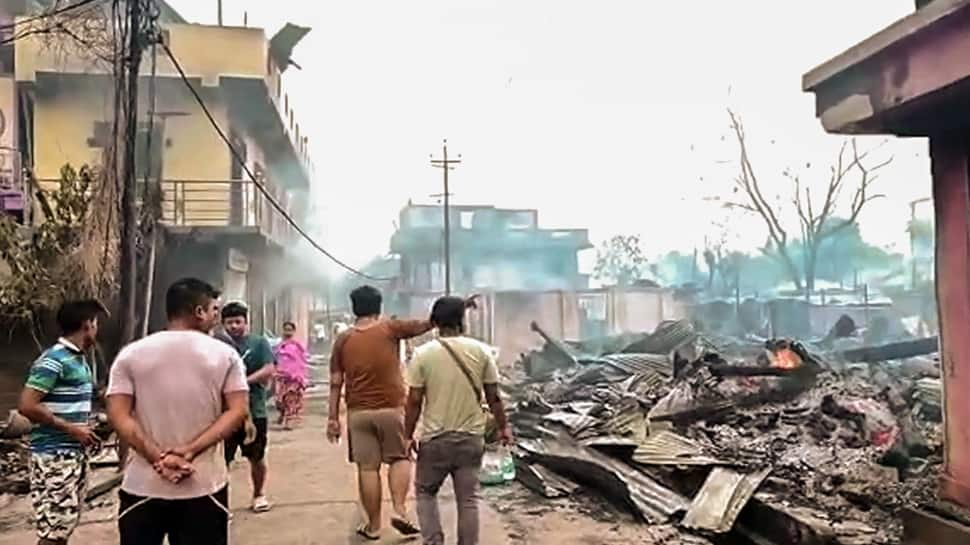

More than a month has passed but Manipur is far from stable. Despite the deployment of forces and several high-level meetings by Chief Minister N Biren Singh and Home Minister Amit Shah, the clashes briefly stopped, but then there have been sporadic incidents of violence. In a fresh incident of clashes, two civilians were injured in Imphal city overnight as a mob clashed with security forces and tried to set houses of BJP leaders on fire. A few days ago the house of Union Minister RK Ranjan Singh was set on fire. Army, Assam Rifles and Manipur Rapid Action Force have been deployed in the state to prevent rioters from gathering. More than 100 people have lost their lives in ethnic violence between Meitei and Kuki communities that broke out in Manipur a month ago. The state government has imposed curfew and banned internet services in 11 districts to prevent the spread of rumors in the state.
Meitei and Kuki community
The Meitei community accounts for about 53 percent of Manipur’s population and mostly lives in the Imphal Valley. On the other hand, the tribals – Naga and Kuki – form 40 per cent of the population and reside in the hilly districts. Clashes first broke out on May 3 after a ‘Tribal Solidarity March’ was organized in the hill districts to protest the Meitei community’s demand for Scheduled Tribe (ST) status.
How did the clashes start?
On 3 May, members of the Kuki and Naga tribes began a protest against the possible extension of their benefits to the influential Meitei people. For more than a decade, the Meitei community has been advocating for special privileges, and their cause got a boost last month when the Manipur High Court recommended that the government consider their demands and set a deadline of mid-May. Since the Meiteis constitute half of Manipur’s population, giving them quotas would give them educational and employment opportunities currently reserved for the Kukis and Nagas. Traditionally, the Meitei people live in the more prosperous valley region of Manipur, which accounts for 10% of the state’s area. This has given them better access to employment and economic opportunities. On the other hand, Nagas and Kukis live in undeveloped hills. The developmental disparity in favor of the valley over the hills has been a source of contention and rivalry between these ethnic groups.
What caused the clashes?
Until recently, various groups co-existed harmoniously in Manipur, but recent events have exposed old tensions. The border between Manipur and Myanmar extends for about 400 km, and the coup in Myanmar during 2021 resulted in a large influx of refugees into Manipur. The Kuki, who share ethnic ties with Myanmar’s Chin tribe, raised concerns among the Meitei that their numbers would be decimated by the arrival of these refugees. In a separate incident, the state government in February launched a drive to evict tribal communities from forest areas in the hills, claiming they had encroached on government land. This led to anger and frustration among the tribal people, who felt that they were being forcibly displaced from their homes. This acted as a spark and the quota dispute added fuel to the fire, leading to violence.


