/cdn.vox-cdn.com/uploads/chorus_asset/file/24016885/STK093_Google_04.jpg)


/cdn.vox-cdn.com/uploads/chorus_asset/file/24808816/Starfield__The_Settled_Systems___Supra_Et_Ultra_____Starfield__The_Settled_Systems___Supra_Et_Ultra_2023_7_25_94252.263_1440p_streamshot.png)










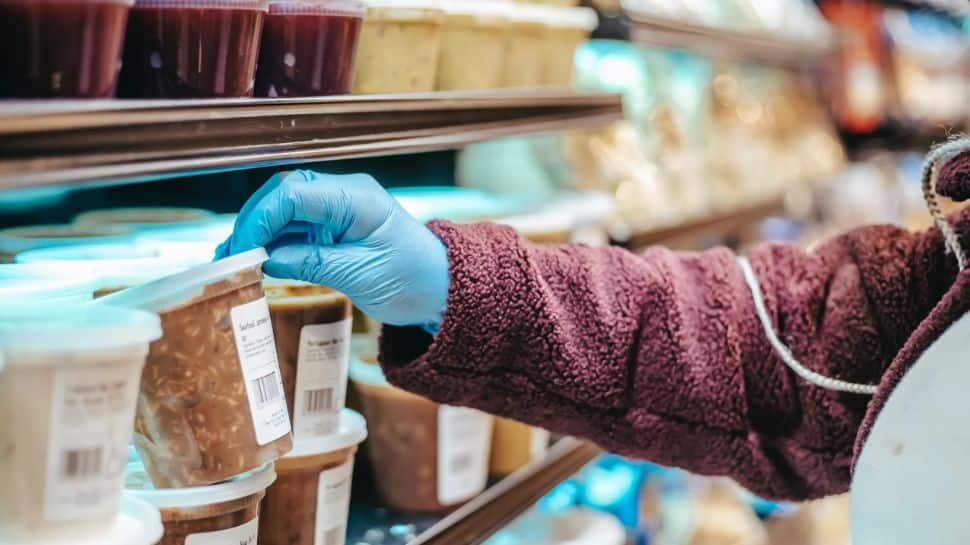

Most people have a bag of vegetables in their freezer that has essentially turned into an unrecognizable block of ice crystals. Additionally, food ruined by too much ice loses its texture and becomes mushy when thawed. Now, scientists demonstrate in the American Chemical Society’s Journal of Agricultural and Food Chemistry that broken down soy proteins can prevent ice crystal formation and may be particularly helpful for preserving biological samples or frozen vegetarian foods. Some animals that live in extremely cold environments, such as fish in the deep polar oceans, make antifreeze proteins to keep the fluids in their bodies from freezing.
These proteins slow down the formation and growth of ice crystals, a process that has raised interest in the frozen food industry. Recently, researchers found that certain peptides, which are fragments of broken down proteins, can also slow down the growth of ice crystals. However, all edible peptides tested so far have come from animal sources including fish, pigs and chickens.
ALSO READ: SPECIAL: Asthma in Children – How to ensure a normal childhood, precautions to be taken
cre trending stories
So, Tong Wang, Madison Fomich and colleagues from the University of Tennessee wanted to see whether breaking down plant proteins could generate similar compounds with ice-crystal-inhibiting properties. The team generated the peptides by exposing commercially available soy protein isolate powder to three different hydrolysing enzymes: alkalase, pancreatin and trypsin. Each resulting mixture of peptides was also fractionated according to size.
All blends in the tests slowed ice growth, but blends derived from alcalde and trypsin were better inhibitors than blends made from pancreatin. For all three enzymes, most of the activity came from the fraction containing the largest peptides. The larger size fractions also contained some smaller peptides, which by themselves did not prevent ice crystals from growing; However, the team showed that these smaller compounds promoted activity. The researchers say this study is an early step toward using soy-derived peptides as a natural, effective way to reduce ice growth, which can cause freezer burn and which may lead to an increase in the risk of frostbite, including vegan and vegetarian products. The shelf life of frozen goods may be increased.