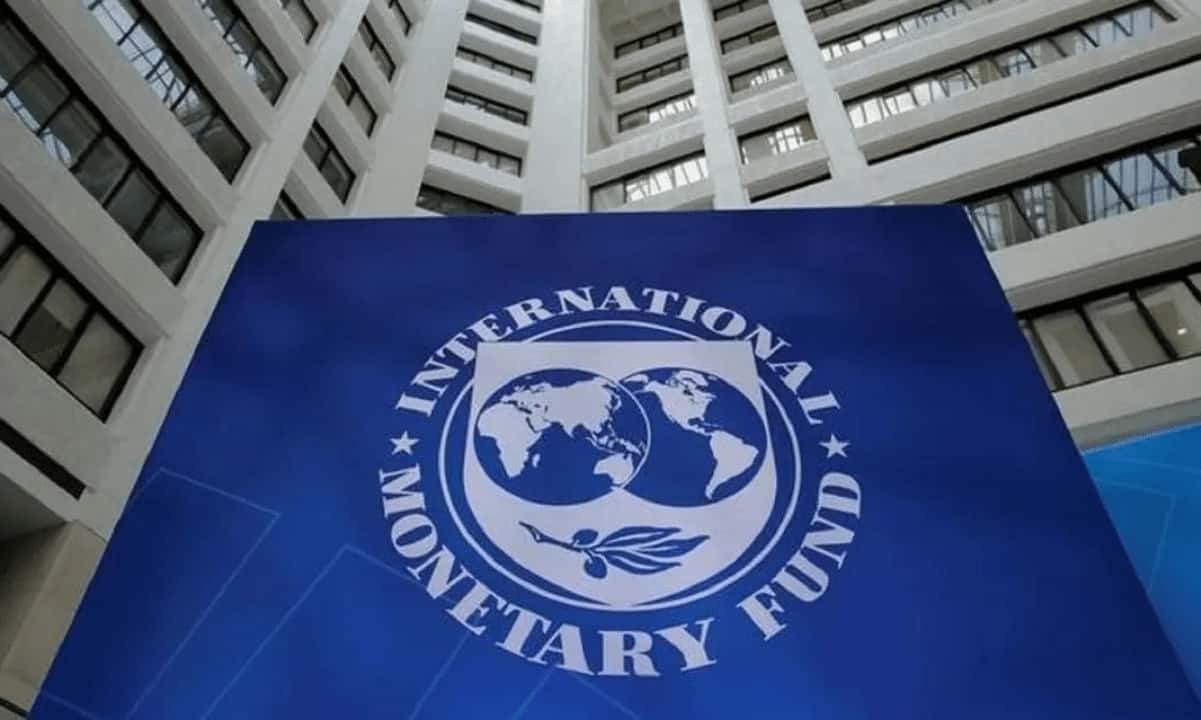
The International Monetary Fund (IMF) is working on a global platform to make central bank digital currencies (CBDCs) launched by several world governments more interoperable, Reuters reported on Monday.
The agency believes that broad agreement on such platforms may be necessary to ensure that private market cryptocurrencies do not fill their functional vacuum.
Preparing for a CBDC World
IMF Managing Director Kristalina Georgieva Said The agency’s platform on Monday aims to enable CBDC transactions between countries.
“CBDCs should not be a fragmented national proposition,” Georgieva told African central banks at a conference in Rabat, Morocco. “We need systems that connect countries to make transactions more efficient and fair: we need interoperability,”
“For this reason at the IMF, we are working on the concept of a global CBDC platform,” he said.
A CBDC is a digitally localized currency issued by a central bank, much like traditional fiat currencies. They may be backed by fiat currency or other assets such as gold, or may be deemed equivalent to those assets by the central bank. Georgieva stressed that when cryptocurrencies are not designed as such, they are a “speculative investment”.
some alleged benefits CBDCs include promoting financial inclusion and reducing payment cost, The average remittance fee is currently 6.3%, which amounts to $44 billion per year.
“If countries develop CDBCs only for domestic deployment, we are under-utilizing their potential,” he said.
The managing director added that 114 countries are already exploring CBDCs in some capacity, of which 10 have “already crossed the finish line.” Many are still in the early stages, however, with countries such as the United States and Canada continuing to question whether it is worth it to develop one.
Opposition to Private Crypto
Classic decentralized cryptos such as bitcoin have also been praised as a potential tool for cheap remittances. El Salvador to make bitcoin legal tender in 2021 and launch state-sponsored chivo wallet With a primary focus on this profit.
The IMF has never been a fan of El Salvador’s bitcoin adoption, however, fearing that the asset’s currency status could destabilize the economy. El Salvador’s President Nayib Bukele continues Insult His advice
Private stable coins such as Tether (USDT) and Circle’s USDC have also come under scrutiny for their ability to depeg and the risks surrounding their reserves. In a five-point crypto regulation plan, the IMF recommended earlier this year that stablecoin issuers should be regulated like banks.
Binance Free $100 (Exclusive): Use this link to register and get $100 free and 10% off on Binance Futures for the first month. (terms).
PrimeXBT SPECIAL OFFER: Use this link to register and enter the code CRYPTOPOTATO50 to receive up to $7,000 on your deposit.