

/cdn.vox-cdn.com/uploads/chorus_asset/file/24016885/STK093_Google_04.jpg)


/cdn.vox-cdn.com/uploads/chorus_asset/file/24808816/Starfield__The_Settled_Systems___Supra_Et_Ultra_____Starfield__The_Settled_Systems___Supra_Et_Ultra_2023_7_25_94252.263_1440p_streamshot.png)










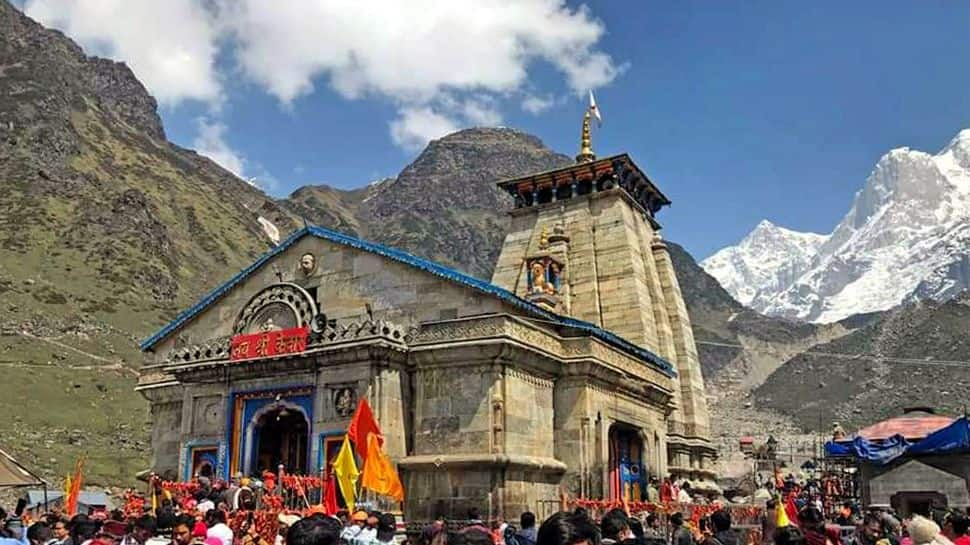

Kedarnath Temple, revered as a sacred pilgrimage site, is one of the important pilgrimage sites in Hinduism. The ancient temple amidst the mountains of Rudraprayag district in Uttarakhand attracts lakhs of visitors annually. Apart from this, the temple part of the Char Dham pilgrimage is also famous for the natural beauty presented by the snow-capped mountains. Here we have compiled a list of some fascinating unknown facts about one of the tallest temples in India.
Kedarnath: The Scenic Beauty
Nestled in the Himalayan ranges amidst snow-clad valleys, mountains and rivers, this religious shrine is an attractive proposition for adventure seekers as well. Also, the presence of Mandakini River. Notably, this temple is situated at an altitude of 3584 meters above sea level.
Also Read: Looking For A Honeymoon Destination? 5 places to visit in Patnitop
Kedarnath temple construction
According to experts, the Kedarnath temple is a strong structure with rock-clad walls. The strength of the structure lies in its 12 feet thick and 6 feet high platform which provides a stable base. All this together, gives the temple a height of 85 feet, a length of 187 feet and a width of 80 feet. Adding to this, the outer walls have been beautifully carved.
Kedarnath Spiritual Significance
Kedarnath Temple, the abode of Lord Shiva, helps in attaining salvation according to the beliefs of Hinduism. The importance of this temple has also been mentioned in the Mahabharata. According to the texts, the Pandavas built the ‘Panch Kedar’, five temples, one of which is Kedarnath. The construction of these temples absolved them of their sins.
Kedarnath Spiritual Jyotirlinga
Kedarnath is one of the 12 holy Jyotirlingas and is the highest of all the Jyotirlingas of Lord Shiva. Moreover, the Jyotirlinga placed in the sanctum sanctorum thousands of years ago has reduced in size and is now triangular in shape.
Kedarnath Darshan
Due to extensive snowfall during winters, the Kedarnath temple is accessible for pilgrims only from late April to early November. Additionally, it is advised not to visit Kedarnath during the monsoon season. During the winter season, there is a lot of snow and all the roads are closed for six months. For this period, the idol is taken to Ukhimath and then reinstalled in April and May.


