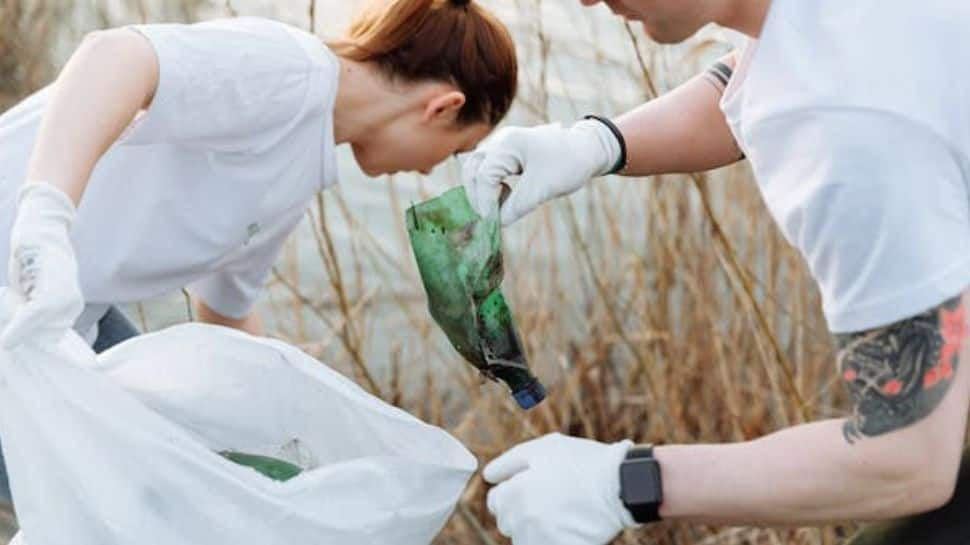

A recent UTHealth Houston study found that children and teens who volunteered thrive both mentally and physically. The study, led by Kevin Lanza, PhD, assistant professor of epidemiology, human genetics and environmental sciences at UTHealth Houston’s School of Public Health, was published recently in JAMA Network Open. Overall, the research team found that youth who had volunteered in the past year had better physical health, had a more positive outlook on life, and were less likely to have anxiety, depression, or behavioral problems than their peers. There were few who did not volunteer. ,
“These study results bring optimism that youth volunteering can be a win-win, where youth are serving society for their own benefit,” said Lanza, who is based in Austin. “Further, youth Connect with family members and others Strengthen social bonds while volunteering, building community.”
The positive effects of volunteering on the health and well-being of adult volunteers are well established, and two previous studies with small sample sizes found that teen volunteers may be in better health and more engaged in school than their peers. However, Lanza said the impact of volunteering on youth is largely unknown, which is what inspired her to start the study.
Also Read: 7 Morning Yoga Asanas To Help You Burn Calories And Promote Weight Loss
Lanza’s team analyzed parent-reported data from a long-running national survey tracking the health and well-being of American children and adolescents, which focused on nearly 52,000 children and adolescents ages 6 to 17. focused, which were surveyed till 2019-2020. Of those respondents, one-third of children and more than half of adolescents had done volunteer work in the past year.
Parents whose children volunteered were 33% more likely to report their child’s health was “very good” to “excellent” than parents whose children did not volunteer. Those parents were also between 18% and 35% less likely to say their child had struggled with depression or anxiety in the past year, or had behavioral problems.
In addition, children and teens who volunteered were 66% more likely to “flourish”—parents rated their children’s curiosity, willingness to complete tasks, and ability to stay calm when faced with challenges. defined by answering questions about
A limitation of the study is potential response bias from parent-reported data. Furthermore, the researchers said, the study results do not answer the question of whether children who were already healthy and affluent were more likely to volunteer. Lanza hopes to explore the cause-and-effect relationship of volunteering on children’s health and well-being in the future.
“There is a wealth of volunteer options for youth in a variety of settings – parks, schools, hospitals – and with different objectives such as environmental protection or health promotion,” he added. that tracks into adulthood.”