/cdn.vox-cdn.com/uploads/chorus_asset/file/24016885/STK093_Google_04.jpg)


/cdn.vox-cdn.com/uploads/chorus_asset/file/24808816/Starfield__The_Settled_Systems___Supra_Et_Ultra_____Starfield__The_Settled_Systems___Supra_Et_Ultra_2023_7_25_94252.263_1440p_streamshot.png)










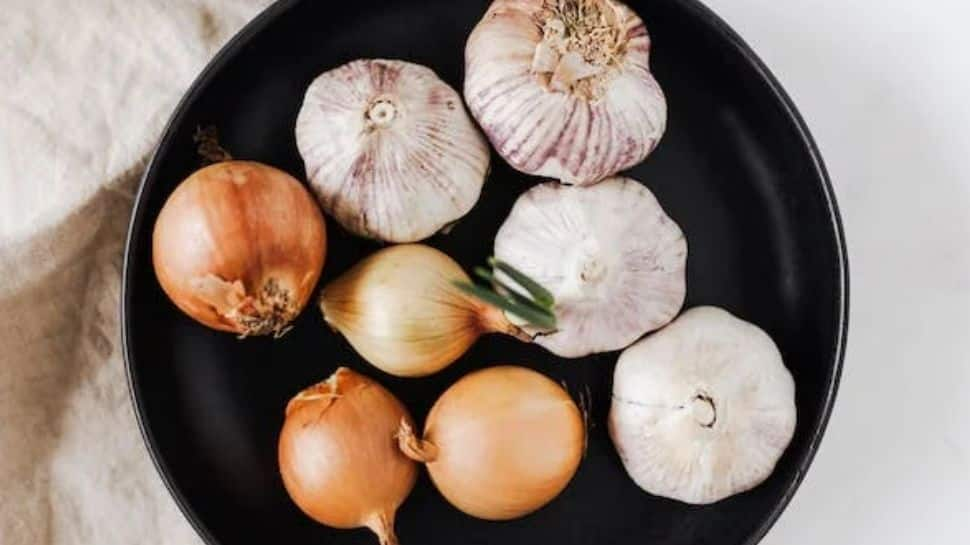

A new study suggests that the foods that pack the biggest prebiotic punch for keeping your gut healthy are dandelion greens, Jerusalem artichokes, garlic, leeks and onions. The study comes amid growing evidence that consuming prebiotics – certain types of fiber often found in plants that stimulate beneficial bacteria in your gut – may help maintain a healthy gut microbiome.
Studies have linked higher prebiotic intake to better blood glucose regulation, better absorption of minerals like calcium, and markers of improved digestion and immune function. Prebiotics, which can be thought of as food for the microbiome, are different from probiotics, which contain live microorganisms. Both can potentially benefit microbiome health, but they work in different ways.
“Previous research has indicated that eating prebiotic-rich foods has health benefits,” said Cassandra Boyd, student at San Jose State University in the US. “Eating foods to boost microbiome wellness while eating more fiber may be more attainable and accessible than you think,” he added.
cre trending stories
Also Read: High Cholesterol Diet: 7 Morning Drinks To Lower Bad Cholesterol Levels Naturally
Although most dietary guidelines do not currently specify a recommended daily allowance for prebiotics, the International Scientific Association for Probiotics and Prebiotics — a non-profit scientific organization that established the current definition of prebiotics — recommends an intake of 5 grams per day.
For the study, researchers used previously published scientific findings to analyze the prebiotic content of 8,690 foods. Prebiotics were found in about 37 percent of the foods in the database.
Dandelion greens, Jerusalem artichokes, garlic, leeks and onions had the greatest amounts, about 100–240 mg of prebiotics per gram of food (mg/g). Other prebiotic-rich foods include onion rings, creamed onions, cowpeas, asparagus, and Kellogg’s All-Bran cereal, each containing about 50–60 mg/g.
“The findings of our preliminary literature review suggest that onions and related foods contain multiple forms of prebiotics, making the total prebiotic content large,” Boyd said. “Many forms of onions and related foods appear in various cuisines as both flavorings and main ingredients.”
Based on the team’s findings, Boyd said a person would need to consume about half a small onion to get 5 grams of prebiotics. Items containing wheat rank low on the list. Foods with little or no prebiotic content include dairy products, eggs, oils, and meat. The study was presented at Ongoing Nutrition 2023, the annual meeting of the American Society for Nutrition, held July 22-25 in Boston.