/cdn.vox-cdn.com/uploads/chorus_asset/file/24016885/STK093_Google_04.jpg)


/cdn.vox-cdn.com/uploads/chorus_asset/file/24808816/Starfield__The_Settled_Systems___Supra_Et_Ultra_____Starfield__The_Settled_Systems___Supra_Et_Ultra_2023_7_25_94252.263_1440p_streamshot.png)










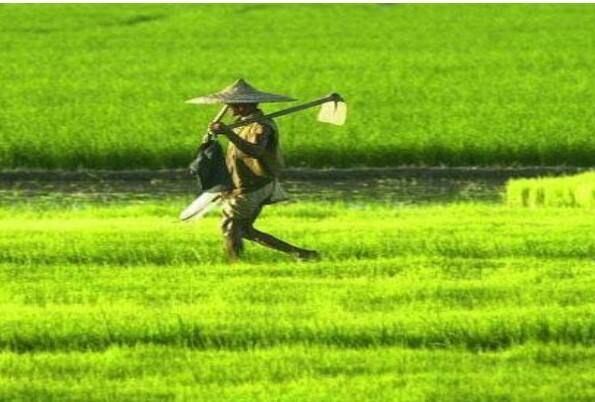

In the face of climate change and its adverse effects on agriculture, traditional tribal agricultural practices in India are gaining recognition for their resilience and sustainability. These time-honored techniques, passed down through generations, provide valuable insight into climate-smart agriculture. By adopting indigenous knowledge and incorporating these practices into modern farming, we can pave the way for a more sustainable and climate-resilient agricultural future.
Harnessing Traditional Knowledge: The Essence of Tribal Farming
Traditional tribal farming is deeply rooted in harmony between nature and human beings. Indigenous communities across India have long practiced agroecology, taking advantage of their deep understanding of local ecosystems and weather patterns. Their farming practices are based on principles such as organic farming, crop diversification, soil conservation and water management, all of which contribute to climate-smart agriculture.
Organic Farming: A Chemical-Free Approach
One of the cornerstones of tribal farming is organic farming. Rather than relying on chemical fertilizers and pesticides, indigenous farmers prefer the use of natural substances such as manure, cow dung, and traditional herbal preparations to nourish the soil and protect crops from pests and diseases. This sustainable approach not only protects the environment but also ensures the production of healthy, chemical-free food.
Crop Diversification: Nature’s Resilience Strategy
Tribal farmers understand the importance of crop diversification in building resilience against climate variability. They practice mixed cropping, intercropping and crop rotation, which helps reduce the risk of crop failure due to unpredictable weather conditions. By cultivating a wide variety of crops, including local and indigenous species, these farmers protect their livelihoods and preserve agricultural biodiversity.
Soil Conservation: Nurturing the Earth
Preservation of soil health is a matter of paramount concern for tribal farmers. They adopt practices like terracing, contour plowing and mulching to prevent soil erosion and increase water retention. By maintaining soil fertility and structure, these methods ensure sustained agricultural productivity while mitigating the effects of climate change.
Water Management: Balancing Nature’s Gift
Water management is important in areas with drought and erratic rainfall. Tribal farmers have come up with amazing techniques for water harvesting and conservation. Traditional rainwater harvesting systems, small-scale reservoirs and water storage structures play an important role in ensuring a stable water supply for agriculture throughout the year. By making the most of every drop, these farmers exemplify sustainable water management practices.
Conservation of Cultural Heritage: Beyond Agricultural Benefits
Traditional tribal farming is more than a means of food production – it is a symbol of cultural heritage. Indigenous communities pass on the knowledge, rituals and customs associated with agricultural practices, while ensuring the preservation of their unique identity. By adopting and reviving these traditions, we honor the wisdom of our ancestors and strengthen the connection between man and nature.
Integration of Traditional Knowledge and Modern Science: The Path to Climate-Smart Agriculture
Recognizing the importance of traditional tribal farming, efforts are underway to integrate indigenous knowledge with modern scientific advances. Researchers, policy makers and agricultural experts are collaborating with indigenous communities to study and document their practices. By combining scientific research, technology and indigenous knowledge, we can develop innovative and context-specific solutions for climate-smart agriculture.
Conclusion: Embracing the Past for a Sustainable Future
Traditional tribal agricultural practices in India offer a ray of hope in the face of climate change. By harnessing the knowledge of indigenous communities, we can develop sustainable agricultural systems that reduce environmental degradation, increase resilience and ensure food security. It is imperative that we identify, protect and promote these time-tested practices to create a more sustainable and climate-resilient agricultural landscape for generations to come.
/cdn.vox-cdn.com/uploads/chorus_asset/file/24758654/Astra_Carta.png)